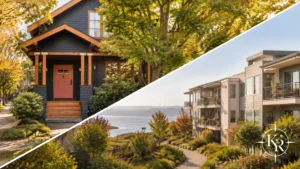
Hayward deserves a serious look if you want East Bay access without paying the highest prices in the region.
The city offers a rare combination of relative affordability, transportation connections, established neighborhoods, outdoor space, and room for long-term flexibility.
That does not mean every Hayward home is a bargain. It means the city gives you more ways to align your budget with your lifestyle. You can look for a detached home, townhouse, condo, hillside property, or an investment opportunity with ADU potential: all within a market that is generally more balanced than the most competitive parts of the inner East Bay.
In 2026, that balance matters.
The 2026 Hayward housing market at a glance
Hayward’s citywide median home price is approximately $831,000 to $870,000, depending on the data source, property type, and reporting period. That places Hayward near Oakland’s broad range, but well below Berkeley, Walnut Creek, and Castro Valley.
Homes typically spend about 21 to 40 days on the market. Most sell at or near asking price, which gives prepared buyers a better opportunity to evaluate properties carefully than they may find in a hyper-competitive market.
The market is not slow. Well-priced and well-presented homes can still attract strong interest quickly, especially near BART, major roads, and popular residential areas. However, buyers may have more time to compare condition, financing costs, inspection findings, and neighborhood fit before making a decision.
For sellers, the message is equally practical: accurate pricing still matters. A home that is positioned correctly can perform well, while an overpriced property may sit long enough to lose momentum.
What your budget may buy in Hayward
Hayward’s neighborhoods vary significantly. Understanding those differences is more useful than relying on one citywide median.
Entry and mid-market neighborhoods: approximately $480,000 to $875,000
Downtown Hayward, North Hayward, and Southgate generally offer some of the city’s more accessible opportunities, with prices ranging broadly from approximately $480,000 to $875,000.
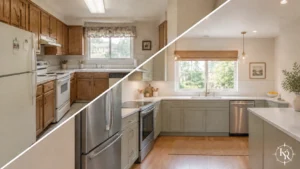
You may find condos, townhomes, smaller single-family homes, and properties that need updating in this range. Downtown Hayward can be especially appealing if you value access to restaurants, events, public transportation, and a more urban setting.
North Hayward and Southgate offer a different feel, with established residential streets and a mix of housing types. As always, the specific property matters. Lot size, renovation history, parking, noise, proximity to transit, and HOA costs can significantly change the value of two homes with similar list prices.
Established family neighborhoods: approximately $900,000 to $1 million
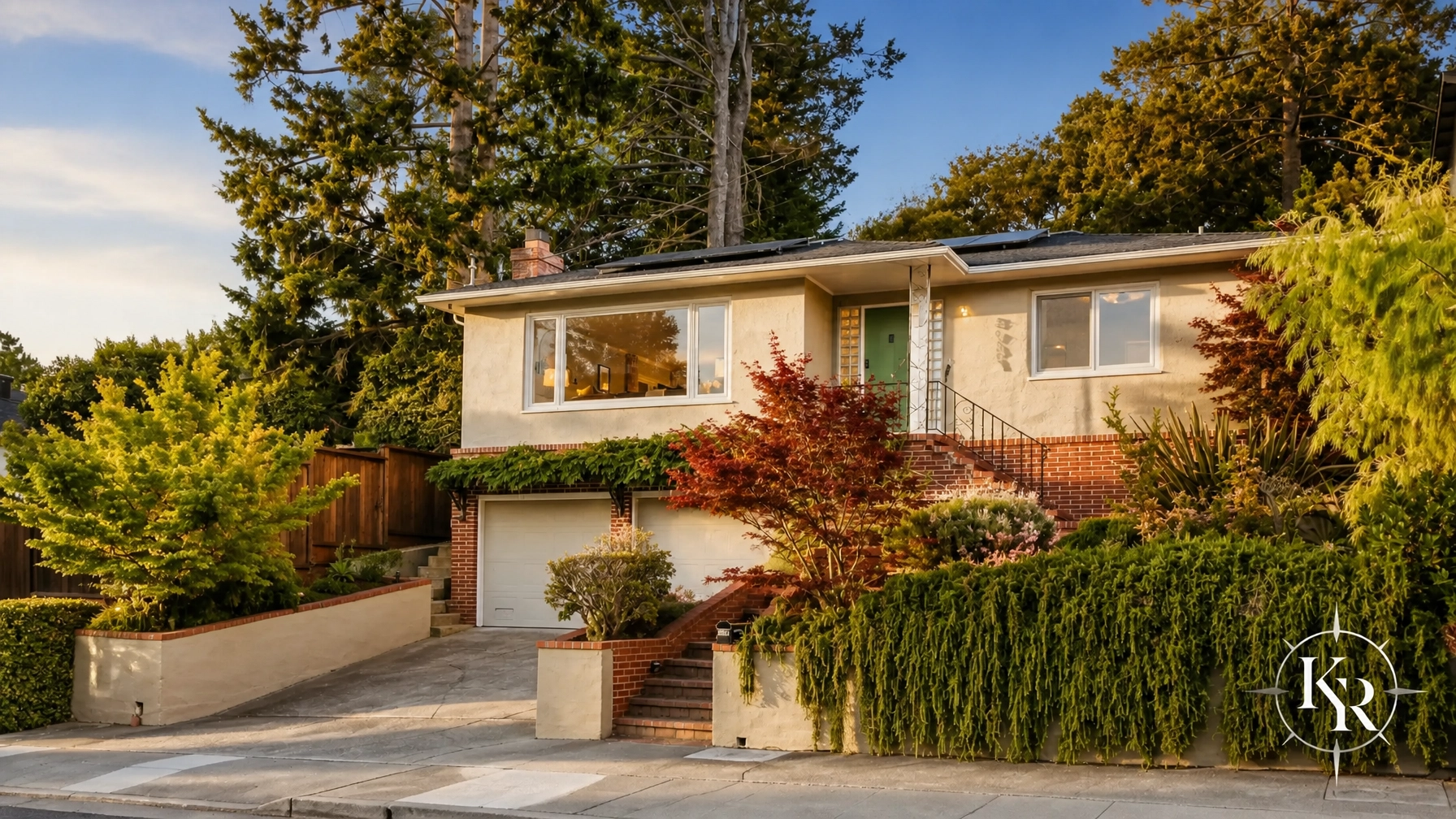
Mission-Foothill, Mt. Eden, and Tennyson-Alquire commonly fall into the approximate $900,000 to $1 million range for many single-family homes.
These areas may appeal to buyers seeking more space, established neighborhoods, and convenient access to schools, employment centers, highways, and regional amenities. Mt. Eden and west Hayward can also be attractive for commuters who want to remain connected to the peninsula and other parts of the Bay Area.
Homes in this segment often reward careful inspection. Look closely at roofs, foundations, drainage, electrical systems, sewer laterals, windows, and any additions. A property requiring cosmetic updates may create an opportunity. A home with major deferred maintenance can change your entire monthly budget.
Hillside luxury: often above $1.3 million
Stonebrae and Hayward Highland represent Hayward’s higher-end hillside market. Homes in these neighborhoods often exceed $1.3 million, with pricing driven by views, larger floor plans, lot size, privacy, and newer construction.
The tradeoff is that hillside ownership requires additional diligence. You should investigate drainage, retaining walls, slope conditions, access, insurance availability, and ongoing landscape maintenance. Views are valuable, but they should be evaluated alongside the practical responsibilities of owning a hillside property.

Location is one of Hayward’s strongest advantages
Hayward’s transportation network gives the city broad appeal for commuters, renters, and investors.
The city is served by Hayward BART and South Hayward BART, while nearby Bay Fair BART can also be useful depending on where you live and work. BART access is not equally convenient from every neighborhood, so test the actual trip from a prospective home rather than relying only on a map.
AC Transit provides additional local and regional bus service. Drivers benefit from access to Interstate 880, Highway 92, and Highway 238, connecting Hayward with San Leandro, Oakland, Castro Valley, Fremont, the Peninsula, and the broader East Bay.
This connectivity supports more than your own commute. Transit-adjacent homes can benefit from stronger rental demand and resale liquidity, although you should still evaluate street noise, parking, and the precise distance to a station.
Hayward also has important local anchors, including Chabot College and Cal State East Bay. These institutions contribute to the city’s educational character and help support demand from students, faculty, staff, and nearby households.
Hayward offers more than a commute
A value destination still needs to feel like home. Hayward’s lifestyle is one of its quieter strengths.
Downtown Hayward provides restaurants, coffee shops, community events, and seasonal activities. You can enjoy an evening out without leaving the city, while still having access to the larger cultural and dining scenes of Oakland, Berkeley, and San Francisco.
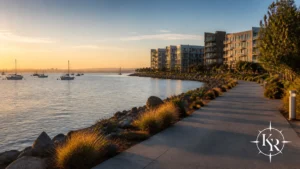
Outdoor access is another advantage. The Hayward shoreline offers open views and natural surroundings, while nearby regional parks provide trails, walking routes, picnic areas, and opportunities to spend time outside. The city’s location also places you within reach of destinations such as Lake Chabot and the hills above the East Bay.
This combination is important for buyers who want convenience without giving up space or access to nature.
How Hayward compares with other East Bay markets
Hayward’s value becomes clearer when you compare it with nearby alternatives.
Berkeley remains one of the region’s most expensive markets, with a median around $1.5 million. Buyers searching for Berkeley homes for sale may prioritize walkability, historic architecture, UC Berkeley, and a highly established cultural scene. Hayward generally offers a lower entry point and more opportunities for space, but with a more suburban and car-oriented feel in many neighborhoods.
Oakland has a broad median around $850,000 to $884,000, making it one of Hayward’s closest comparisons by price. Buyers looking at Oakland homes for sale will find greater neighborhood variety, distinctive architecture, and a more urban experience. Hayward may appeal if you prefer a smaller-city atmosphere, regional access, and a more predictable residential layout.
Richmond remains another value-oriented option, with a broad median around $600,000 to $735,000. If your priority is the lowest purchase price among these markets, Richmond CA homes for sale may deserve consideration. Hayward typically commands more, but its central location, transit network, and access to southern East Bay employment centers can justify the difference for many buyers.
Walnut Creek has a much higher single-family median, approximately $1.38 million to $1.6 million, while Castro Valley is around $1.17 million to $1.2 million. Buyers exploring Walnut Creek homes for sale or Castro Valley homes for sale may gain different lifestyle benefits, such as larger lots, stronger suburban amenities, or hillside settings. Hayward can provide a more accessible path to ownership while keeping you within reach of both communities.
ADU potential adds another layer of flexibility
Hayward’s ADU-friendly attitude is meaningful for both homeowners and investors.
An accessory dwelling unit may support multigenerational living, a private home office, guest space, or rental income. Transit proximity can make an ADU especially attractive, but the numbers must work before you move forward.
Before purchasing with an ADU plan, verify current City of Hayward requirements, including allowable size, setbacks, height, lot coverage, parking, utility connections, and permitting. You should also estimate design, construction, financing, and maintenance costs against realistic local rents.
The best ADU opportunity is not simply the property with the largest backyard. It is the property where zoning, layout, access, construction feasibility, and projected returns align.

A practical buyer strategy for 2026
Hayward may offer more breathing room than the inner East Bay, but preparation still gives you an advantage.
- Set a monthly budget first. Include mortgage principal and interest, property taxes, insurance, utilities, maintenance, and potential HOA dues.
- Choose your location priorities. Decide whether BART, highway access, outdoor space, schools, walkability, or rental potential matters most.
- Compare condition carefully. Cosmetic updates are different from foundation, drainage, roof, or unpermitted-construction concerns.
- Visit at different times. Morning traffic, evening noise, parking, and neighborhood activity can change your impression.
- Review recent comparable sales. Citywide statistics create context, but recent nearby sales help determine whether a specific listing is fairly priced.
- Stay ready without feeling rushed. With many homes spending 21 to 40 days on the market, you may have time to make a thoughtful decision: but desirable properties can still move quickly.
Is Hayward the right East Bay value play for you?
Hayward makes a strong case when you want access, flexibility, and a more attainable path into the East Bay. You can find entry-level condos and townhomes, established family neighborhoods, hillside luxury, transit-oriented properties, and homes with possible ADU potential.
The right choice depends on your priorities. If you value a walkable college-town setting, Berkeley may be worth the premium. If you want a broad urban landscape, Oakland may fit better. If you prioritize suburban amenities or larger lots, Walnut Creek and Castro Valley may remain compelling.
However, if you want a balanced market, strong transportation connections, practical housing options, and room to grow, Hayward deserves a place near the top of your search.
When you are ready to review current opportunities, explore Kindred Realty’s property search. If you would like to talk through neighborhoods, pricing, commuting needs, or an investment strategy, you can contact Kindred Realty. A clear plan can help you recognize the right Hayward home when it comes along.