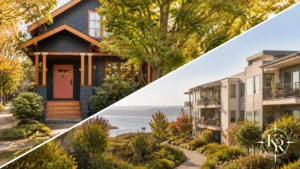
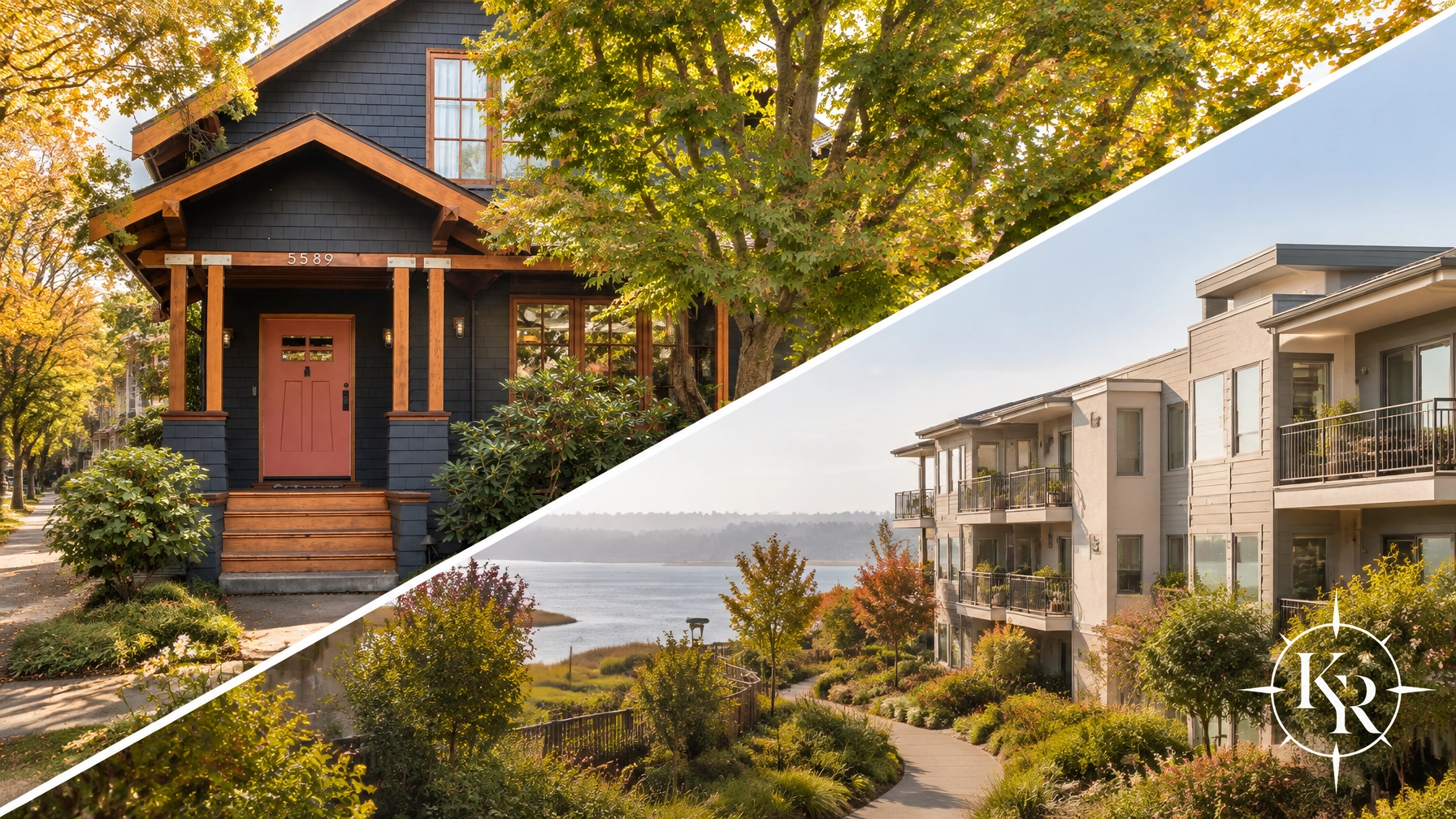
Alameda may be one island city, but choosing where to live here means comparing three distinct settings. The East End draws you in with historic architecture and lively Park Street. The West End pairs neighborhood character with a broader range of home styles and a connection to Alameda Point. Bay Farm Island offers lagoon-side paths, ferry access, and a larger share of condos and townhomes.
Those differences matter for your budget, daily commute, and due diligence. Here’s a closer look at each pocket, and what fall 2026 market conditions mean if you’re considering a move.
East End: historic streets and a walkable center
The East End is Alameda’s classic postcard setting. Victorian and Edwardian homes line leafy residential streets, with architectural details and mature trees that give many blocks a distinct sense of place. Condition varies: a beautifully updated period home can sit close to one with decades of deferred maintenance.
Park Street is the neighborhood’s main draw for everyday errands, restaurants, cafés, and independent shops. Crown Memorial State Beach, often called Alameda Beach locally, adds a sandy shoreline and open views. Franklin and Edison are among the elementary schools people may consider when exploring this area, but school assignment depends on the property’s exact address. Check it with Alameda Unified School District, rather than assuming a neighborhood label determines eligibility.
The East End tends to command a premium for detached homes, particularly when historic character, condition, and location come together. If you’re drawn to the architecture, factor the home’s systems and maintenance needs into your budget, not just its charm.
West End: varied housing and a changing waterfront
The West End offers a different mix of housing and often more accessible entry points, especially among attached homes and smaller properties. Webster Street is its commercial heart, with restaurants, breweries, cafés, and local services.
At Alameda Point, the former naval air station is being redeveloped into a mixed-use waterfront district. The Seaplane Lagoon area brings ferry service, public space, and new housing into that evolving setting. The City of Alameda’s Alameda Point information is useful if you want to follow current planning and development. The Main Street ferry terminal is another option for San Francisco commuters; compare routes and schedules with the Alameda ferry and transit information.
The West End isn’t simply a lower-cost version of the East End. You’ll find different home ages, layouts, and newer construction, so compare properties with similar size and condition, not only a citywide or East End price.
Bay Farm Island: lagoons, trails, and a different housing mix
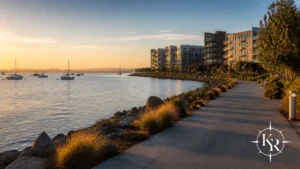
Bay Farm Island offers a quieter, more suburban feel, with harbor and lagoon settings, parks, and access to the Bay Trail. Shoreline Park and nearby paths create appealing options for a walk, run, or bike ride. Harbor Bay ferry service adds a commute option, while the Harbor Bay business park and proximity to Oakland International Airport are practical advantages for some households.
Bay Farm has condos and townhomes as well as detached houses. For attached homes, the purchase price is only part of the picture: HOA dues, reserve funds, insurance coverage, maintenance responsibilities, and possible special assessments all affect your true monthly cost. Review the association’s financial records, meeting minutes, insurance documents, and rules carefully.
Families often look closely at Bay Farm’s schools. Bay Farm School reported strong 2024–25 results compared with district and state averages, but school programs and assignment rules can change. Confirm the address-specific placement directly with AUSD.
Fall 2026 market: use the property type and pocket
Alameda remains a competitive market, but the numbers vary by property type and data window. The latest complete citywide figures available as of October 12 are largely for August or rolling periods, not a final October report.
In August, detached Alameda homes had a median sale price of about $1.375 million, averaged roughly 13 days on market, and sold at about 115% of asking. Condos and townhomes had a median near $879,000, averaged roughly 29 days, and sold at about 105% of asking. These figures draw on Bay East Association of Realtors market reports for Alameda, which publish separate summaries for detached homes and for condos and townhomes. They show why a single citywide median can be misleading: detached homes and attached properties move at different prices and paces.
At the neighborhood level, the available figures use different time periods and methods, so treat these as planning ranges, not guaranteed values or precise October medians:
- East End: A recent three-month median was about $1.21 million, with homes taking roughly 20 days to sell. Many detached-home purchases fall around $1 million–$1.6 million, with notable exceptions. A local rolling indicator placed sales around 109% of asking; the citywide figure was higher, at roughly 111%.
- West End: A neighborhood snapshot showed a median sold price near $1.17 million and about 33 days on market, but the mix of condos, older houses, and newer homes makes that headline figure broad. Smaller condos can be well below the single-family range; detached homes commonly span roughly $900,000 to $1.6 million or more. A directly comparable sale-to-list figure wasn’t available, so assess recent sales property by property.
- Bay Farm Island: Recent neighborhood snapshots put the median around $890,000–$936,000, with roughly 15–24 days on market. Many condos and townhomes sit in the $600,000–$1 million range, while detached homes often cost more than $1.2 million. A recent attached-home snapshot was near 104% of asking, though results vary by building and condition.
Alameda is also close to evenly divided between owners and renters. Recent U.S. Census Bureau estimates put the owner-occupied housing rate at about 50.7%, meaning roughly half of occupied homes were renter-occupied.
For a San Francisco commute, the ferry can be a welcome alternative to driving, but it doesn’t eliminate the need to plan. Check the terminal, sailing times, parking or transit connection, and your route to the office. When you drive, bridge and tube traffic can change the day’s timing. Test the trip at the hours you’d actually travel.
Buyer checklist: investigate the island details
A little extra preparation can help you avoid unwelcome surprises:
- Check flood exposure and insurance early. Alameda’s coastal setting makes flood risk and insurance an important property-by-property question. The City identifies areas of concern on the main island and Bay Farm; localized flooding can also occur outside mapped high-risk zones. Check the current FEMA flood maps for the address, ask your insurance provider for an address-specific quote, and confirm any lender requirements before removing contingencies.
- Inspect older homes with care. For Victorian- and Edwardian-era properties, pay close attention to foundation and seismic work, roof and drainage, pest findings, plumbing, electrical systems, and signs of moisture. Ask for permits and final approvals for additions or major renovations; a visual improvement doesn’t establish that work was permitted.
- Read Bay Farm HOA and condo documents. Look at reserves, upcoming projects, master insurance and deductibles, litigation, rental rules, and responsibility for windows, balconies, roofs, and exterior repairs. Compare dues with the association’s actual financial health.
- Verify your commute and school plans. Try the ferry or drive during your normal commute window, and confirm school assignment through the district for the specific property address.
Seller checklist: lead with preparation and accurate pricing
A pre-war home can be memorable, but buyers will want a clear picture of its condition. Before listing, organize permits, repair invoices, inspection reports, insurance information, and records of foundation or system upgrades. Address practical maintenance (such as drainage, paint, and visible deferred repairs) before spending on cosmetic updates that may not matter to buyers.
Price against the closest comparable sales, not just the most eye-catching East End result. If you’re selling in the West End, show buyers the property’s own strengths (such as condition, layout, transit access, or newer construction) rather than positioning it as a substitute for a higher-priced neighborhood. In fall, timing and preparation matter: shorter daylight and holiday schedules can affect showings, so make the home easy to view and ensure online presentation is polished from day one.
Clear disclosures help buyers understand the property and make informed decisions. Gather what you know about past leaks, repairs, permits, pest work, and insurance claims, and answer disclosure questions accurately.
Choosing your Alameda
The East End, West End, and Bay Farm Island each offer a different balance of architecture, housing costs, outdoor space, and transportation. Your best fit depends on what you value, and what you’re comfortable maintaining, paying, and commuting for.
If you’re comparing Alameda properties or weighing a sale, you can explore Kindred Realty’s earlier Alameda island-living guide for broader context. Jeff and Mikayla can also help you talk through the neighborhood trade-offs in a no-pressure conversation.
Market figures are snapshots from the sources linked above and reflect different reporting periods, property mixes, and methods. Neighborhood price ranges are broad planning estimates, not appraisals or predictions. Confirm current comparable sales, flood exposure, school assignment, insurance availability, commute schedules, and property condition before making a real estate decision.