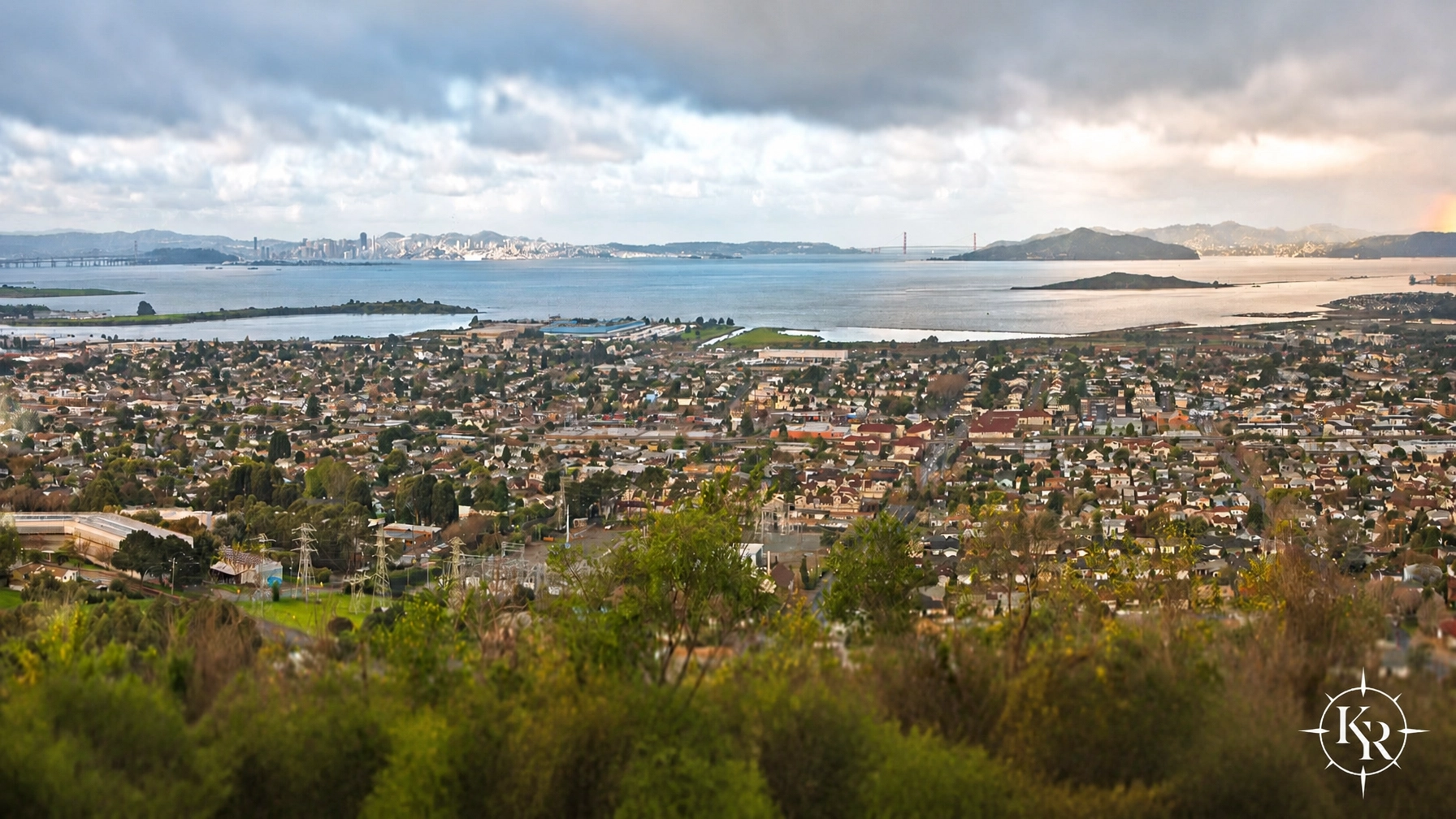
Finding value in the East Bay in 2026 requires more than sorting listings by price. The market is highly local, mortgage rates remain a significant part of the affordability equation, and two homes with the same list price can offer very different long-term value depending on location, condition, commute, and future flexibility.
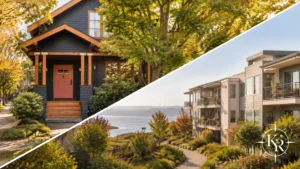
For many buyers, walnut creek homes for sale and castro valley homes for sale deserve a closer look. Both communities provide strong regional access, established neighborhoods, and a range of housing types. At the same time, berkeley homes for sale and oakland homes for sale remain compelling for buyers who prioritize walkability, culture, transit, and distinctive architecture.
The right opportunity may not be the least expensive home. It may be the property that best balances your budget, lifestyle, maintenance expectations, and long-term plans.
What “value” means in the East Bay
Value is personal, but it should still be measured carefully. A lower purchase price does not automatically mean a better opportunity if the home requires major repairs, carries high insurance costs, or creates a difficult commute.
In 2026, practical value often comes from one or more of the following:
- A lower-cost property type, such as a condo or townhome
- A neighborhood with improving inventory and more negotiating room
- A home that needs cosmetic updates rather than major structural work
- Access to BART, major highways, parks, schools, or employment centers
- A flexible floor plan that could support multigenerational living, a home office, or future rental potential
- A well-maintained property that reduces uncertainty after closing
Regional market reports point to an East Bay that is expensive but more stabilizing than the rapid-growth years of the pandemic. Median prices vary considerably by city and property type, while 30-year fixed mortgage rates have generally remained in the mid-6% to approximately 7% range during 2026.
That combination makes preparation essential. Your monthly payment, not simply the purchase price, should guide your search.
Walnut Creek: Look beyond the single-family median
Walnut Creek remains one of the East Bay’s most recognizable suburban markets. Buyers are drawn to its downtown amenities, BART access, established neighborhoods, parks, trails, and proximity to I-680 and Highway 24.
However, the price difference between property types is substantial. Recent 2026 market reporting has placed Walnut Creek single-family home medians in a broad range from approximately $1.38 million to $1.6 million, depending on the period and data set. Condos and townhomes have generally occupied a much more accessible range, with recent medians reported around $660,000 to $720,000.
That gap is where many buyers should begin looking for relative value.
Attached homes can offer access to the Walnut Creek lifestyle at a considerably lower entry price than a detached home. They may also reduce exterior maintenance, although you must evaluate HOA dues, reserves, insurance, rental restrictions, and pending assessments before making an offer.
Inventory has also improved somewhat. One July 2026 report noted approximately 180 active single-family listings, compared with about 155 during the same period the prior year. Attached housing has offered additional choice, with nearly three months of inventory reported for condos and townhomes in one local market snapshot.
More choice does not mean every seller will negotiate. Well-priced, move-in-ready homes can still move quickly. It does mean you may have more opportunities to compare condition, location, HOA costs, and seller flexibility.
For a deeper look at local neighborhoods, pricing segments, and commute considerations, read Kindred Realty’s Walnut Creek homes for sale guide.

Where to focus your Walnut Creek search
Your priorities should determine which part of Walnut Creek deserves attention.
- Downtown Walnut Creek: Best suited to buyers who value restaurants, shopping, walkability, and proximity to BART. Condos and townhomes are particularly common here.
- Northgate: Often attractive to families seeking established streets, larger homes, and access to local schools and parks. Verify current school information directly before relying on neighborhood assumptions.
- Tice Valley: A strong option if open space, trails, views, and a quieter setting matter more than being within walking distance of downtown.
- Walnut Heights: Worth considering if you prefer mature landscaping, architectural variety, and a more tucked-away residential feel.
- Rossmoor: A distinct 55+ community with co-ops, condos, amenities, and its own lifestyle structure. Buyers should review the specific ownership model, monthly costs, and community rules carefully.
Castro Valley: Space and access can create lasting value
Castro Valley offers a different value proposition. The community combines established residential streets, hillside and canyon settings, regional parks, and access to Oakland, San Leandro, Hayward, and the broader East Bay.
Recent local reporting has placed broad 2026 median sale prices in the approximate $1.17 million to $1.20 million range, with detached-home medians sometimes higher. Active inventory has varied by source and reporting period, while well-priced homes have often attracted strong interest within the first few weeks.
Castro Valley’s value is not necessarily about being inexpensive. It is about what your budget may provide: more space, larger lots, outdoor access, and a suburban setting that remains connected to regional transportation.
The tradeoff is that property condition and terrain require close attention. A hillside or canyon-adjacent home may offer beautiful views, but you should investigate drainage, retaining walls, foundations, access, roof condition, and insurance availability. Older homes may also require updates to electrical, plumbing, sewer, or heating systems.
Location matters within the community as well. Test your commute from the actual property, not just from a map pin. Visit at different times of day to understand traffic, street noise, parking, and neighborhood activity.
The Castro Valley neighborhood guide offers additional information about Lake Chabot Regional Park, Don Castro Regional Recreation Area, BART, local housing conditions, and due-diligence considerations.
Berkeley and Oakland: Value may mean opportunity, not a discount
Berkeley and Oakland remain essential parts of any East Bay search, but buyers should approach them with realistic expectations.
Berkeley’s appeal comes from its historic homes, walkable commercial districts, university influence, transit access, and highly distinct neighborhoods. Recent local reporting has described a fast-moving market, with a June 2026 median near $1.55 million and particularly strong competition for desirable properties.
If you are searching for berkeley homes for sale, consider areas where the price may reflect renovation needs, a less central location, or a more modest property type. South Berkeley and Lorin, for example, may provide a different entry point than Elmwood, Claremont, or the Berkeley hills. Even then, you should compare recent sales at the neighborhood level rather than relying on a citywide median.
Oakland offers exceptional diversity in architecture, neighborhood character, commute patterns, and pricing. Buyers may find Craftsman homes in the Dimond, Glenview, or Redwood Heights, walkable living in Rockridge, or hillside properties in Montclair and the Oakland hills.
Recent reporting has placed Oakland’s broad median sale price around $860,000 to $915,000, with higher-demand areas often exceeding that range. Inventory has remained tight, and well-prepared homes may attract multiple offers.
For oakland homes for sale, value may come from identifying a property with manageable improvements, a strong lot, flexible space, or a location just outside the most competitive core. You should still investigate insurance, seismic considerations, drainage, permits, and the condition of older construction.
Explore the Berkeley neighborhood guide and Oakland neighborhood guide before narrowing your search.

Five practical ways to find value in 2026
1. Compare property types before changing cities
If a detached home in Walnut Creek stretches your budget, compare condos and townhomes before abandoning the location entirely. Lower purchase prices may allow you to preserve cash for improvements, reserves, or future investments.
2. Study monthly costs, not just list prices
Include mortgage principal and interest, property taxes, insurance, HOA dues, utilities, maintenance, and estimated repairs. A lower-priced home with significant deferred maintenance may cost more over the first several years than a better-maintained property.
You can begin with Kindred Realty’s East Bay mortgage calculator, then confirm your assumptions with a qualified lender.
3. Look for functional improvements
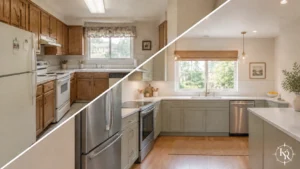
Cosmetic updates can create opportunity when the floor plan, location, and systems are sound. Fresh paint, lighting, flooring, landscaping, and kitchen updates may be more manageable than foundation, drainage, roof, or unpermitted-addition issues.
4. Use inventory to guide your timing
Higher-inventory segments can provide more choices and potentially greater negotiating flexibility. In Walnut Creek, attached housing has been one of the clearest areas to monitor. In Castro Valley, evaluate homes that have remained available because of condition or pricing: but do not assume time on market alone makes a property a bargain.
5. Get neighborhood-specific advice
Citywide statistics are useful for context, but they cannot price an individual home. Recent comparable sales, property condition, school boundaries, insurance availability, and micro-location all matter.
If you are new to the process, Kindred’s guide to 10 things to know before buying a home in the East Bay can help you build a stronger foundation before touring seriously.
Your next step should create clarity
The best East Bay opportunity in 2026 will depend on your priorities. Walnut Creek may make sense if you value amenities, transit, and a broader attached-housing selection. Castro Valley may be the better fit if space, parks, and regional access carry more weight. Berkeley and Oakland may reward buyers who understand neighborhood-level differences and can act decisively when the right property appears.
You do not need to solve the entire market at once. Start by defining your comfortable payment, preferred lifestyle, renovation tolerance, and must-have location features. Then compare homes using the same framework.
When you are ready to explore current options, Kindred Realty’s property search can help you organize the possibilities. For personalized guidance across Walnut Creek, Castro Valley, Berkeley, Oakland, and the surrounding East Bay, you can contact Kindred Realty. A thoughtful search gives you more than a list of homes: it gives you the confidence to recognize real value when it appears.