Berkeley remains one of the East Bay’s most sought-after markets in 2026 because it offers something few communities can match: intellectual energy, architectural character, outdoor access, strong transit, and neighborhood life that feels distinct from one street to the next.
That appeal creates real opportunity: but also real pressure. Buyers need to be prepared before the right home appears, while sellers need a thoughtful strategy to stand out without overreaching on price. Whether you’re considering a move near campus, a hillside home with Bay views, or a classic Craftsman close to shops and transit, understanding Berkeley’s neighborhoods and current market conditions is key.
Why Berkeley continues to attract East Bay buyers
Berkeley’s appeal starts with its variety. You can spend the morning walking through a neighborhood café, bike to BART or UC Berkeley, hike in the hills, and finish the day along the waterfront.
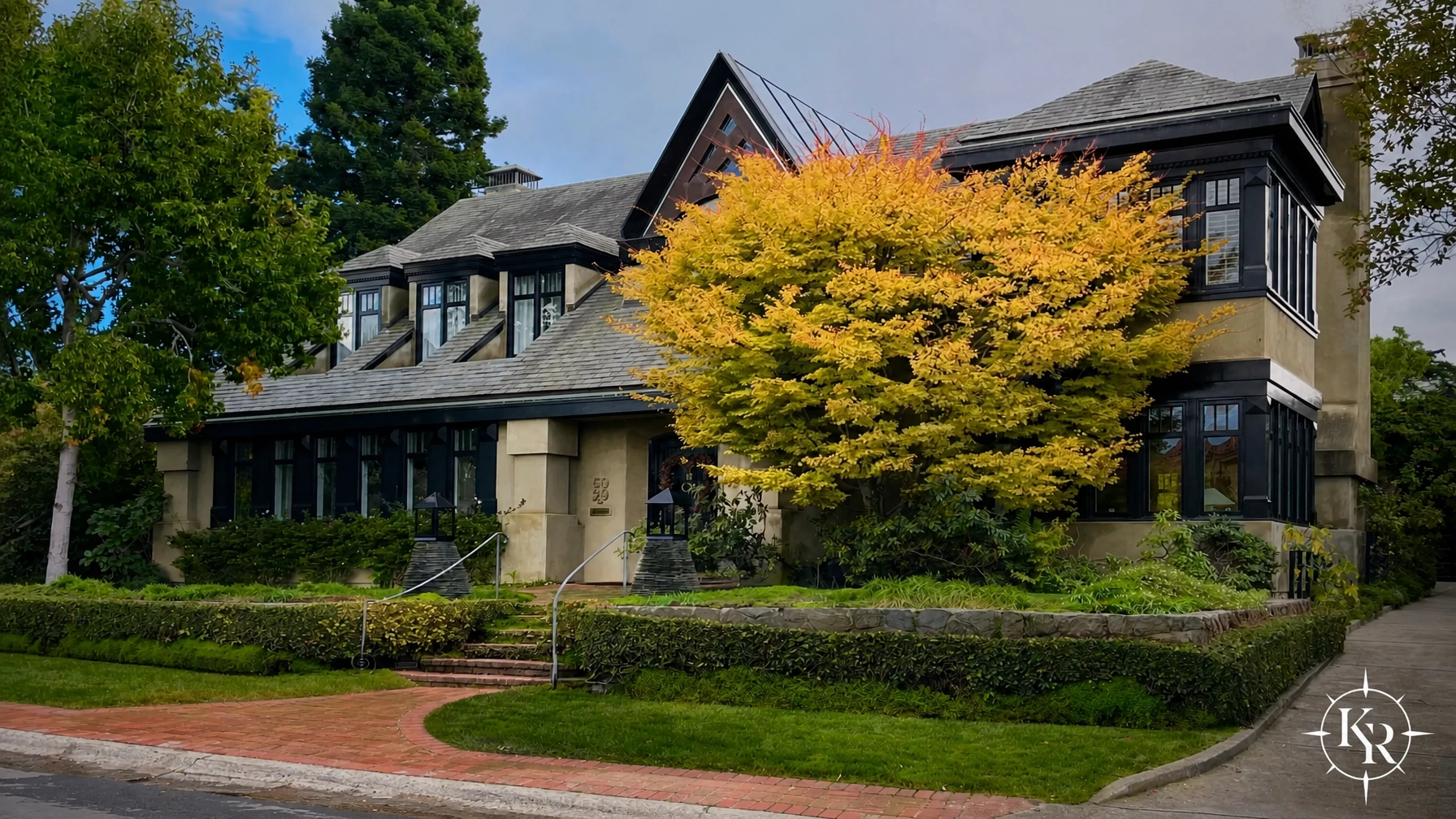
The city also offers a rare mix of historic homes and modern convenience. Craftsman bungalows, Brown Shingle homes, Mediterranean residences, contemporary remodels, condominiums, and smaller investment properties all appear across the market. For buyers, that means you’re not choosing only a house: you’re choosing a lifestyle, commute pattern, and neighborhood rhythm.
For sellers, that variety makes local positioning especially important. A home near a commercial corridor may appeal to a different buyer than a private hillside residence or a property within easy reach of campus.

Berkeley neighborhood highlights
UC Berkeley and the surrounding campus neighborhoods
UC Berkeley gives the city a daily energy that is difficult to replicate. Students, faculty, researchers, families, longtime residents, and visitors contribute to a lively mix of restaurants, bookstores, cafés, cultural events, and public spaces.
Southside and areas near campus can be especially appealing if you value walkability and short trips to the university. They also tend to feel more active and student-oriented. Buyers who prefer a quieter residential setting may want to look farther north, west, or into the hills while still considering access to campus.
The University of California’s Berkeley neighborhood guide is a helpful resource for understanding how the city’s areas relate to campus, transit, and topography.
Gourmet Ghetto and North Berkeley
North Berkeley’s Gourmet Ghetto remains one of the city’s best-known dining and shopping destinations. Around Shattuck Avenue and nearby streets, you’ll find long-established restaurants, bakeries, specialty food shops, cafés, and neighborhood gathering places.
The area combines an active commercial district with attractive residential streets. Many homes feature mature landscaping and traditional architecture, while the relatively flat terrain makes walking and biking more practical than in the hills. North Berkeley BART and Downtown Berkeley BART are also important considerations for commuters.
For buyers, this pocket can offer a strong balance of neighborhood character, amenities, and transit access. For sellers, proximity to restaurants, shops, and BART can be a meaningful part of the property’s appeal.
Fourth Street and West Berkeley
Fourth Street brings a more polished, boutique-oriented feel, with independent retailers, design shops, restaurants, cafés, and services. The surrounding West Berkeley area adds a different layer of character, including older industrial buildings, creative businesses, and quieter residential streets.
This is a particularly appealing area if you want access to shopping and dining without being directly in the middle of the campus environment. The terrain is generally flat, and many residents use bikes for trips through West Berkeley, Downtown Berkeley, and toward the Marina.
The Berkeley Marina extends that sense of openness. Waterfront paths, parks, sailing, and broad views of the Bay offer a welcome contrast to the city’s denser commercial corridors.
Elmwood
Elmwood centers on College and Ashby avenues and is known for its inviting neighborhood atmosphere, locally owned shops, cafés, restaurants, and tree-lined residential streets. Its location near the Oakland border also gives you convenient access to Rockridge, Claremont, and nearby East Bay destinations.
Homes in Elmwood often include classic architectural details and established landscaping. The area can work well for buyers who want a strong sense of community, walkable amenities, and a location that sits between Berkeley and Oakland.
Ashby BART and Rockridge BART are important commute options, although the best station depends on your exact location and daily routine.
Solano Avenue and Northbrae
Solano Avenue runs through the Thousand Oaks and Northbrae areas and offers a comfortable neighborhood shopping district with restaurants, bookstores, cafés, and everyday services. It feels lively without the intensity of the blocks closest to campus.
Homes near Solano often appeal to buyers seeking more residential space and a calmer pace while still having amenities nearby. You’ll also find a mix of architectural styles, including Craftsman and Brown Shingle homes, along with properties that have been expanded or thoughtfully updated.
The area is generally walkable and bikeable around the corridor, though the distance to BART varies. Reviewing the actual route: not simply the straight-line distance: is important when comparing homes.
Berkeley Hills
The Berkeley Hills offer some of the city’s most memorable views, along with winding roads, mature trees, privacy, and a strong connection to the landscape. Architecture ranges from classic Brown Shingle and Craftsman homes to larger custom residences and contemporary properties.
The tradeoff is convenience. Hillside streets can be steep, and some homes are farther from shops, buses, and BART. Driveways, stairs, retaining walls, drainage, insurance, and ongoing maintenance also deserve careful review during the buying process.
For many buyers, however, the views and atmosphere are worth the additional considerations. A hillside home can provide a feeling of retreat while remaining close to Berkeley’s cultural and commercial life.

Tilden Regional Park and the Berkeley Marina
Tilden Regional Park gives Berkeley residents immediate access to hiking, open space, trails, and outdoor recreation. The park is especially appealing if you want nature close to home, but properties near the hills may also require more attention to wildfire considerations, vegetation management, access, and insurance availability.
The Berkeley Marina offers a completely different outdoor experience. Its flat shoreline paths, parks, and Bay views are well suited to walking, cycling, and relaxed weekends. These two destinations: hills and waterfront: help explain why Berkeley attracts buyers who want an urban community with meaningful access to nature.
Berkeley market trends in 2026
Recent Redfin data for the three months ending August 2026 point to a competitive, seller-leaning market. Berkeley’s median sale price is around $1.5 million, approximately 8% higher than the same period last year. Median sale price per square foot is about $945, and homes are typically selling in roughly 15 days.
You can review the latest citywide snapshot on Redfin’s Berkeley housing market page.
Multiple offers remain common, particularly for well-located homes that are priced realistically and presented well. Properties frequently sell above asking, while tight inventory continues to give sellers leverage. Still, citywide numbers are only a starting point. A renovated home near a popular corridor may perform very differently from a property with deferred maintenance, challenging access, or limited parking.
Practical tips for Berkeley buyers
1. Get fully pre-approved before touring seriously
A pre-approval is more useful than a general lending estimate. It helps you understand your true budget, strengthens your offer, and allows you to move quickly when a well-priced home comes on the market.
2. Be ready to act on new listings
In a market where homes can sell in approximately two weeks, waiting several days to schedule a showing may mean missing the opportunity. Set up alerts, review disclosures promptly, and establish a clear decision-making process before you begin touring.
3. Plan for competition without abandoning your limits
Above-list offers are common, but the highest offer is not always the strongest offer. Price, financing, contingencies, timing, and the seller’s priorities can all matter. Determine your maximum comfortable purchase price in advance, including reserves for repairs, insurance, taxes, and future improvements.
4. Compare Berkeley pockets carefully
Neighborhood expertise matters because the tradeoffs can change within a few blocks. Consider your commute, access to BART, school preferences, parking needs, hills versus flats, proximity to shops, and tolerance for renovation. A local agent can help you compare those factors in practical terms rather than relying only on a citywide label.
Practical tips for Berkeley sellers
1. Price to create interest: not to test the market
Overpricing can cause a home to sit while competing listings attract attention. A realistic launch price can generate more showings, stronger urgency, and the possibility of multiple offers. Your pricing strategy should reflect recent comparable sales, current competition, condition, location, and the property’s specific strengths.
2. Make the home easy to understand
Decluttering, staging, professional photography, and thoughtful curb appeal can help buyers see the home’s potential immediately. In Berkeley, architectural details matter. Highlight original millwork, natural light, mature gardens, remodeled systems, flexible spaces, and access to nearby amenities.
3. Disclose proactively
Older Berkeley homes may have additions, renovations, drainage concerns, seismic considerations, or permit questions. Addressing known issues early can reduce surprises and build buyer confidence. Organized disclosures also help serious buyers make decisions more efficiently.
4. Consider seasonal demand
Spring through fall typically brings strong buyer activity, although the best timing depends on your home and broader market conditions. Listing when the property is ready is more important than chasing a perfect calendar date. Preparation, presentation, and pricing should come first.

Your next step in the Berkeley market
Berkeley rewards preparation. Buyers who understand their priorities can move with confidence, while sellers who invest in positioning can attract more qualified attention from the start.
If you’re considering a purchase, sale, investment, or relocation in Berkeley or another East Bay community, a conversation with an experienced local real estate team can help clarify your options. You can learn more about the Kindred Realty team, explore questions to ask a real estate professional, or contact Kindred Realty when you’re ready to discuss your plans.
The right strategy begins with understanding where you want to be: and what the current market requires to get there.